
"Our ducted system stopped cooling properly in the middle of a 40-degree week. The technician diagnosed a refrigerant leak, had the parts on hand, and had us back up and running the same afternoon."
James R.
Norwood
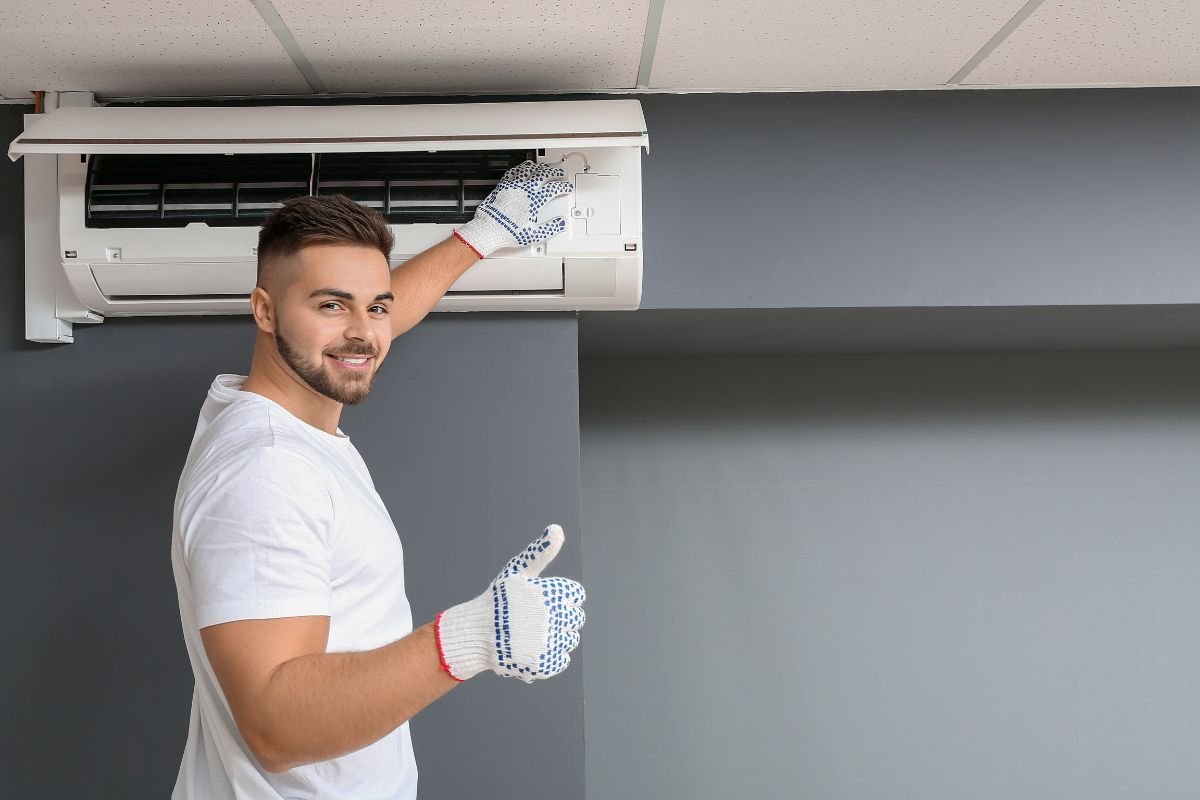
We offer affordable split system air conditioner installation Adelaide-wide! Perfect for small places and/or individual rooms. Get in touch with us for a FREE quote!
Get a FREE Quote
Adelaide summers are no joke. Temperatures regularly push past 40°C for days at a stretch, and a bedroom that holds heat from the afternoon sun can stay uncomfortable well past midnight. A split system air conditioner is one of the most practical ways to fix that — one indoor unit mounted on the wall, one outdoor condenser unit on an exterior wall or slab, and refrigerant lines connecting the two. The indoor unit draws warm air across an evaporator coil, strips the heat out, and returns cool air into the room. Most residential installations use an inverter-driven compressor, which ramps up and down to match the room's demand rather than cycling on and off at full power — that's what keeps running costs manageable through a long Adelaide summer.
Sizing matters more than most people realise. A 2.5kW unit suits a standard bedroom or small study — roughly 15 to 20 square metres. A larger bedroom or a small open-plan living area will need a 3.5kW to 5kW system. Get that wrong and the unit either runs flat out all day trying to keep up, or short-cycles and never properly dehumidifies the space. We assess the room size, ceiling height, insulation, and window orientation — north and west-facing rooms cop the most heat in Adelaide's Mediterranean climate and often need a larger unit than you'd expect. If you're thinking about cooling your whole home rather than individual rooms, we also offer ducted air conditioning as an alternative.
Split systems work especially well for renters, landlords with individual units to cool, and homeowners who want to tackle one room at a time without a major renovation. Maybe your lounge gets a good sea breeze off Gulf St Vincent but your master bedroom faces west and turns into an oven by 3pm — that's exactly the scenario where a targeted split system installation makes sense. Installation typically takes two to four hours for a single unit, depending on wall construction and how far the refrigerant lines need to run. If you ever need a repair down the track, our team also handles air con repairs across Adelaide.
From room assessment to a fully commissioned system — here's what happens on the day.
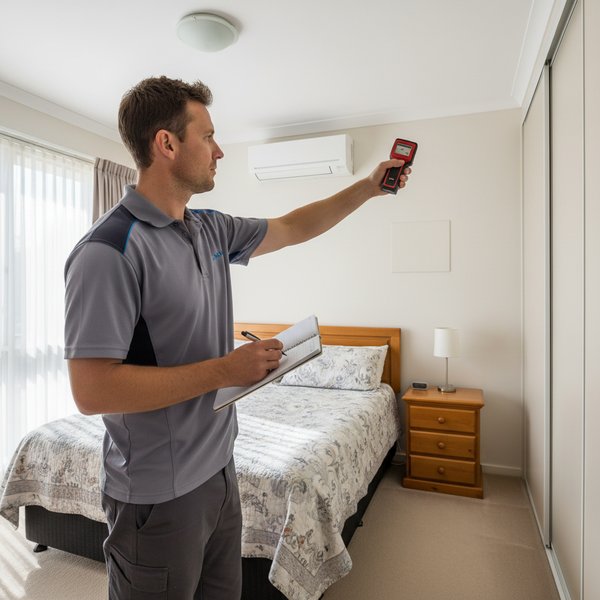
We visit your home and measure the room, check ceiling height, note insulation quality, and look at window orientation. A west-facing room in an older Adelaide brick home with single-glazed windows needs a meaningfully larger unit than the same-sized room with good insulation and shade — we work that out before recommending anything.
We mark and mount the indoor unit bracket on the wall at the correct height for airflow — typically 1.8 to 2.1 metres from the floor. A core drill creates the penetration for the refrigerant lines, electrical cable, and condensate drain, then we sleeve the penetration and seal it against weather and insects, which is particularly important in Adelaide's dry summers when pests seek cool spaces.
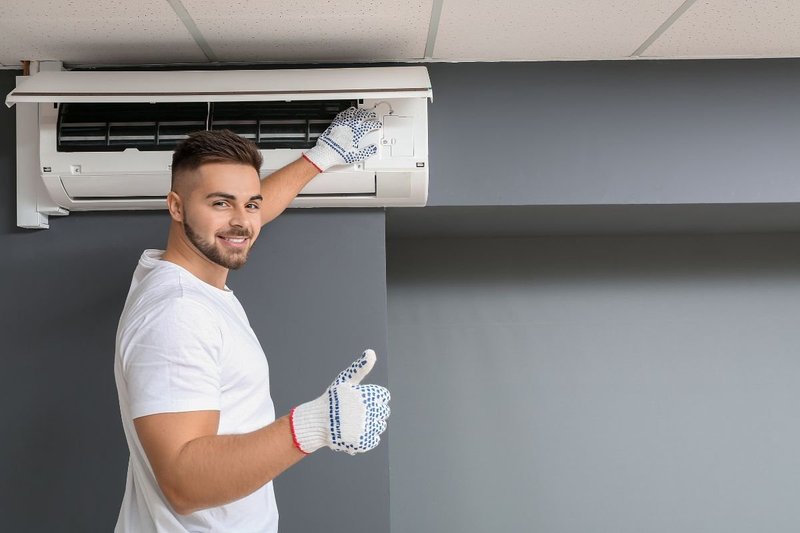
The outdoor condenser unit is mounted on a concrete slab or wall bracket on the exterior of your home, positioned for adequate airflow and away from direct afternoon sun where possible. We run and insulate the refrigerant lines, connect the electrical supply, and fit the condensate drain to discharge safely away from the building.
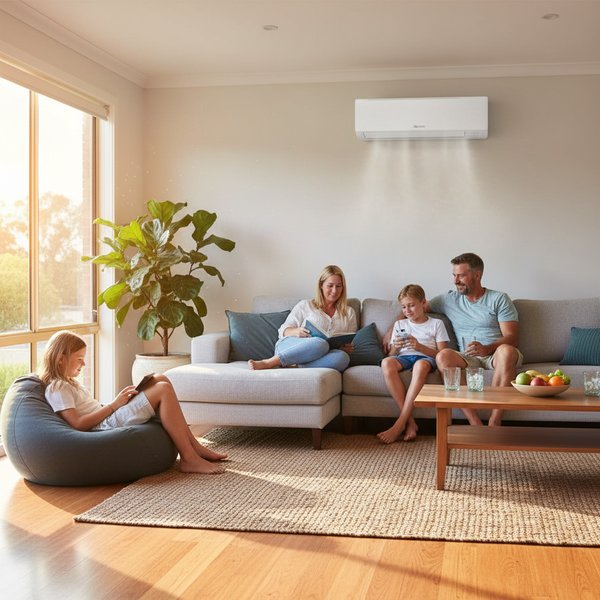
Before we pack up, we pressure-test the refrigerant circuit, verify the charge is correct, and run the system in both cooling and heating modes to confirm airflow and temperature performance. We walk you through the remote control functions, recommended filter cleaning intervals — every four to six weeks during heavy summer use — and leave the space clean.
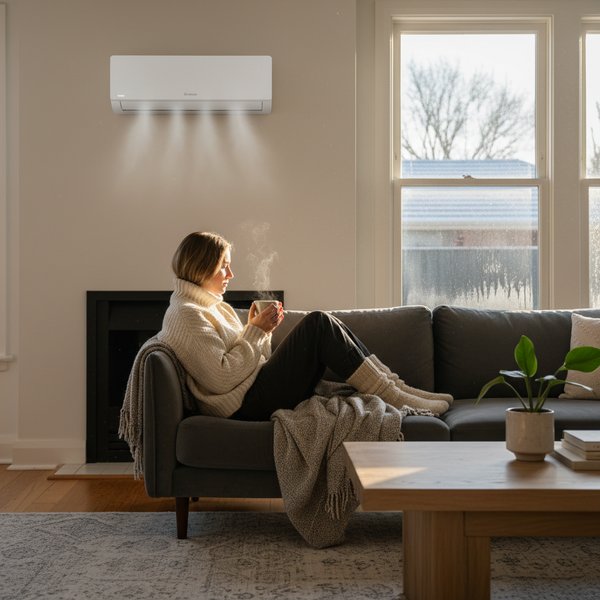
Targeted comfort, lower running costs, and year-round temperature control.
Rather than cooling your whole house and paying for it, a split system lets you target the rooms you actually use — your bedroom, home office, or living area. An inverter compressor holds the set temperature within half a degree once the room reaches the target, so you're not waking up sweating at 2am because the unit cycled off.
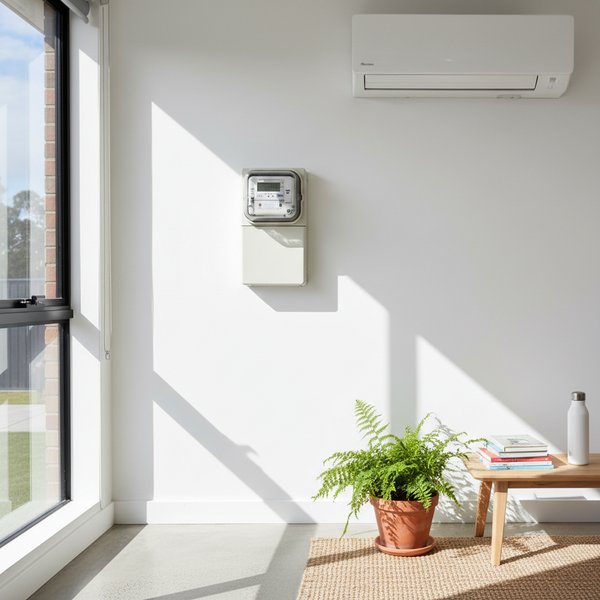
Modern inverter split systems use significantly less electricity than older fixed-speed units or portable evaporative coolers, which struggle in Adelaide's low-humidity conditions anyway. A correctly sized inverter system running at partial load on a mild summer evening draws a fraction of the power of an oversized fixed-speed unit cycling on and off.
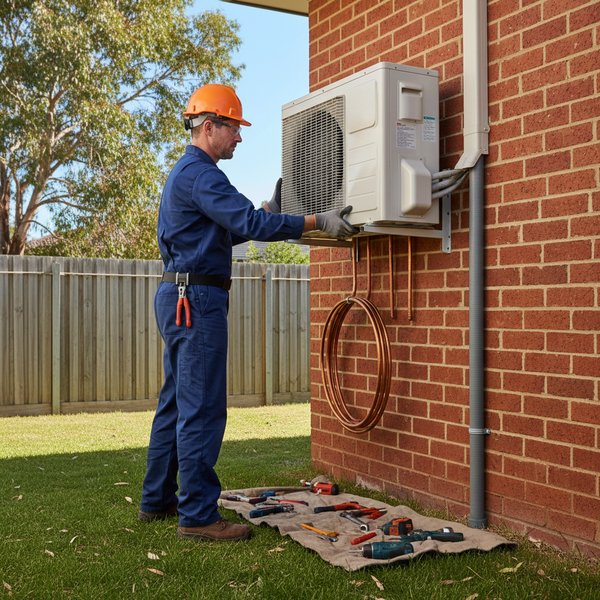
Adelaide winters are mild but mornings from June through August can drop to single digits, and a cold bedroom is just as uncomfortable as a hot one. Most split systems operate efficiently as heat pumps down to around 5°C outside — they extract heat from the outdoor air and move it inside, using far less electricity than a bar heater or gas wall furnace.
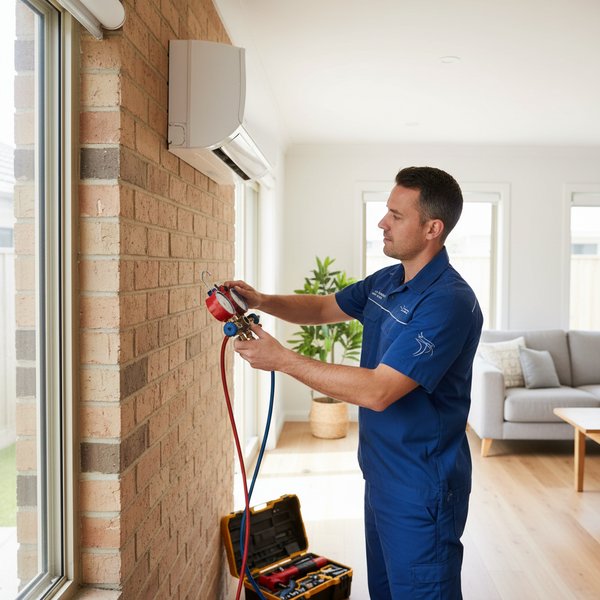
We don't guess at capacity — we assess your room's specific heat load, including window orientation and insulation, before recommending a unit size. That matters in a city where summer temperatures stay above 35°C for weeks at a time and an undersized unit simply can't keep up.
Our team holds the required ARCtick refrigerant handling licences and works alongside licensed electricians for all electrical connections. Every installation meets Australian Standards and manufacturer requirements, so your warranty stays intact.
Most single-unit installations are completed in a few hours, and we leave the space exactly as we found it — no drill dust on the carpet, no packaging left behind. We test the system before we go so you know everything is working correctly.
We work across Adelaide every day — from double-brick homes in the inner suburbs that hold heat differently to lightweight construction in newer outer-suburb estates. That experience means we know where the tricky installations are and how to handle them without surprises.
Common questions answered
For a standard bedroom of around 15 to 20 square metres, a 2.5kW unit is usually the right starting point. If your bedroom faces north or west — which is common in older Adelaide suburbs and means it absorbs heat all afternoon — or if it has poor ceiling insulation, you'll likely need a 3.5kW unit to keep up on 40-plus-degree days.
A single split system installation typically takes two to four hours from start to finish. That includes mounting the indoor unit, running the refrigerant lines, installing the outdoor condenser, and commissioning the system — so you can expect to have a working unit the same day.
The main factors are the kW capacity of the unit you choose, the complexity of the installation — things like wall material (brick versus timber frame), the distance the refrigerant lines need to run, and whether the condenser goes on a ground slab or a wall bracket. Multi-head systems that run multiple indoor units from one outdoor unit also affect the overall cost. Contact us on +61872820886 for a free quote specific to your home.
No — and it's not just a recommendation. Handling refrigerant in Australia requires an ARCtick licence, and electrical connections must be done by a licensed electrician. An unlicensed installation also voids most manufacturer warranties, which typically run five to seven years on the compressor.
Adelaide's dry, dusty summers mean the filters and evaporator coil pick up more dust and debris than in wetter climates. Clean the indoor unit filters every four to six weeks during heavy summer use, and have the full system — including the outdoor coil and refrigerant charge — checked by a technician every one to two years. A neglected outdoor coil clogged with dust and gum tree debris runs harder and uses more power.
Real feedback from Adelaide, SA property owners
"Our ducted system stopped cooling properly in the middle of a 40-degree week. The technician diagnosed a refrigerant leak, had the parts on hand, and had us back up and running the same afternoon."
"Straightforward pricing, no surprises on the invoice. The split system they installed in our living room has been running quietly and efficiently all summer."
We provide split system throughout Adelaide, SA and surrounding suburbs
Don't see your area? Contact us to check if we service your location!
View All AreasExplore our other professional services
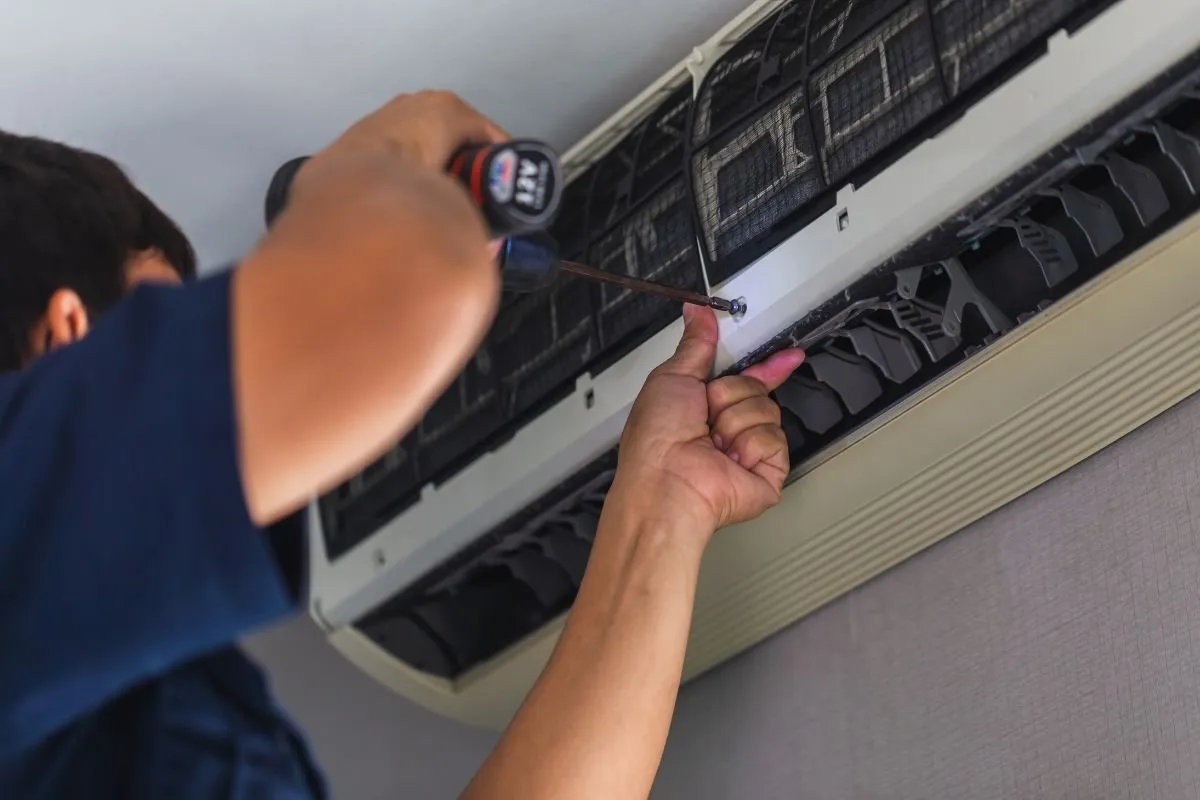
If your cooling system breaks down, it might not need to be exchanged straight away. Reduce expenses and get the air flowing again with our air con repair services, maintenance and cleaning services.
Learn More →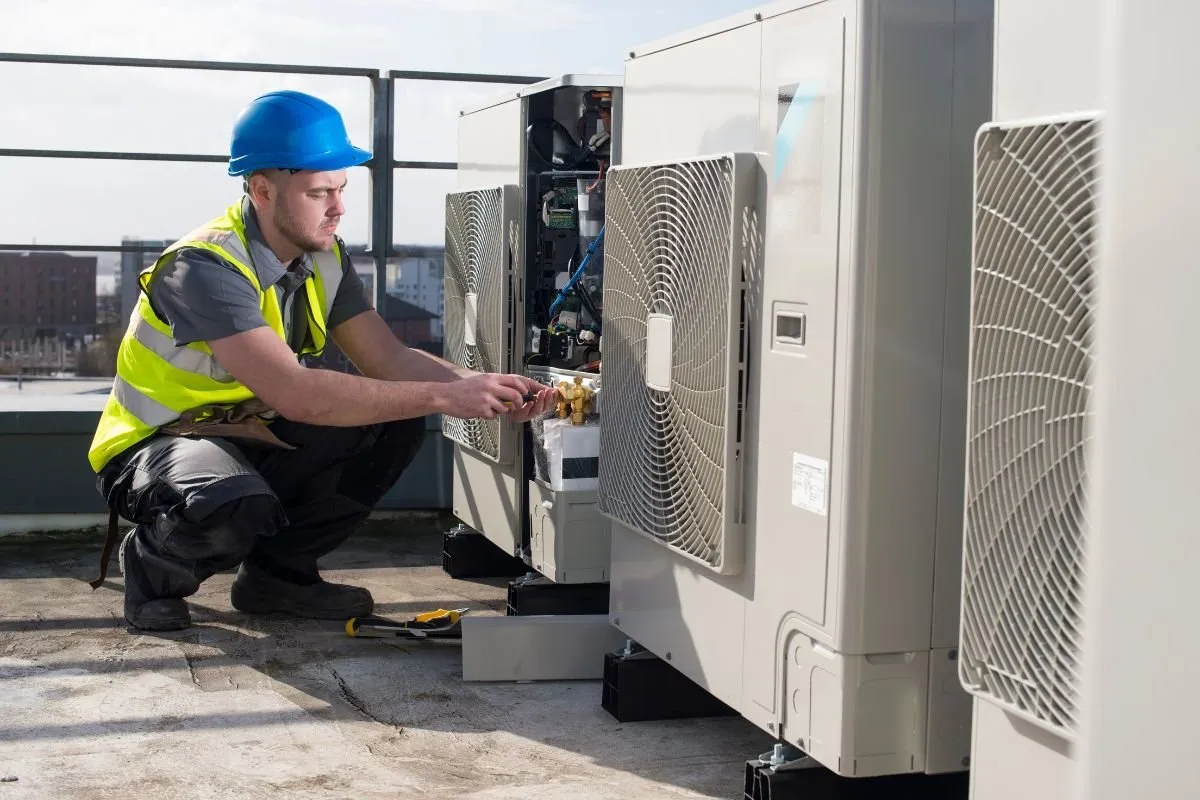
Whether it's a compact workspace or a large premise, Adelaide Air Conditioning Experts can provide and fit commercial air conditioning systems. Get in touch for a FREE quote!
Learn More →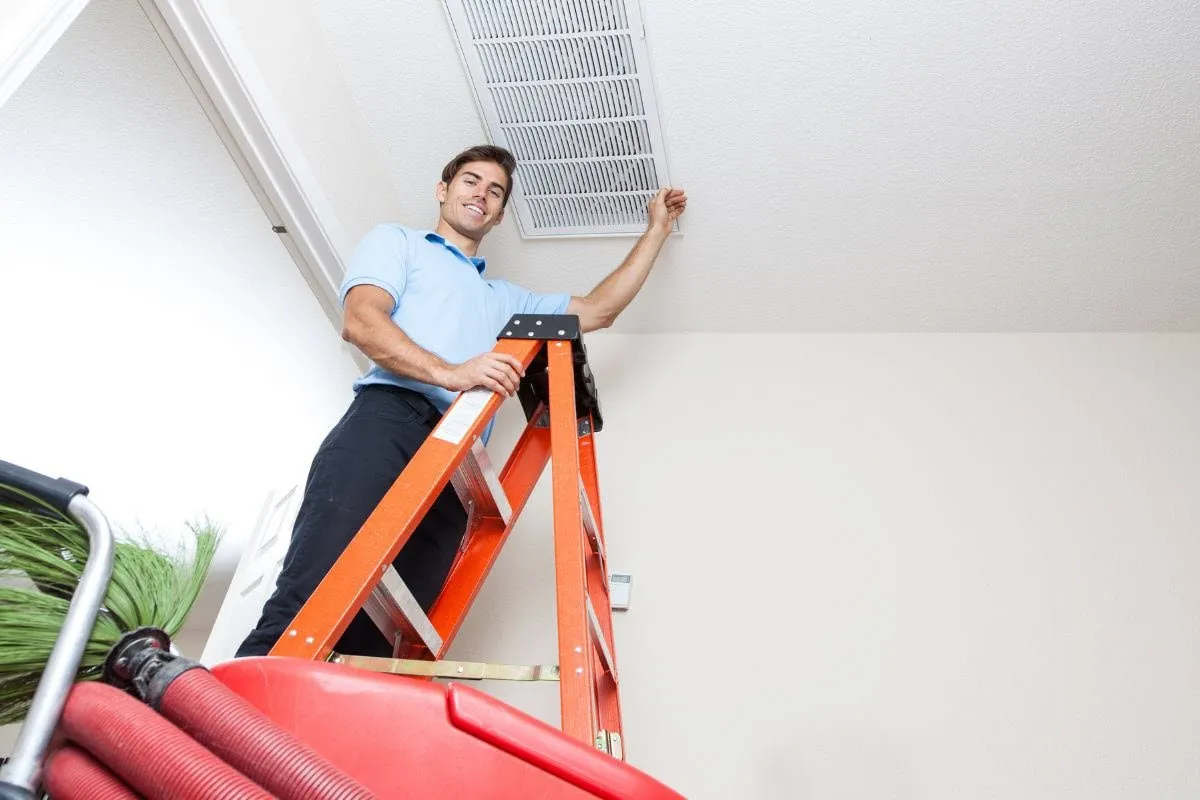
Gift yourself a new ducted air conditioning system and keep cool during our Adelaide summers! Get in touch with us for a FREE quote!
Learn More →