
"They showed up on time, which I appreciated. Fixed the faulty compressor on our old unit and explained exactly what had failed and why — I knew what I was paying for."
Tom B.
Unley
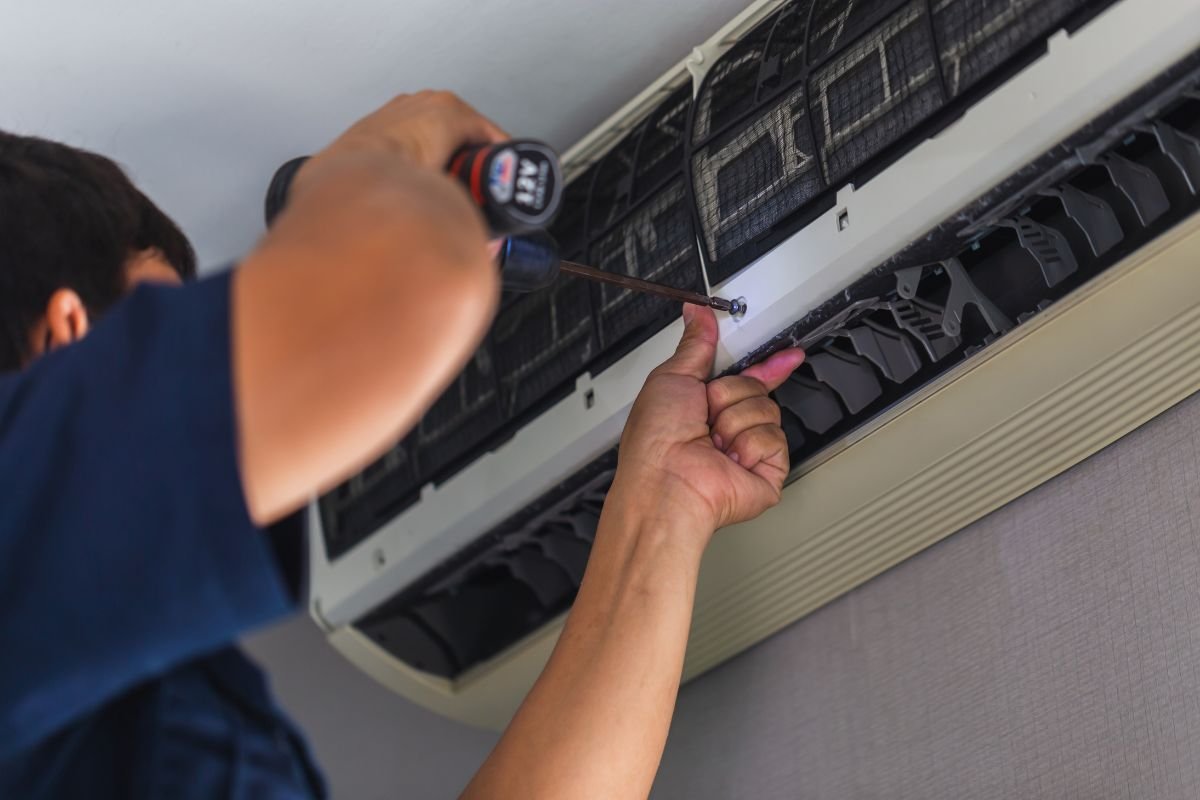
If your cooling system breaks down, it might not need to be exchanged straight away. Reduce expenses and get the air flowing again with our air con repair services, maintenance and cleaning services.
Get a FREE Quote
Adelaide summers are brutal. When temperatures push past 40°C for days at a stretch, your air conditioner isn't just a comfort — it's keeping your household functional. If your unit has stopped cooling, is freezing over, tripping the circuit breaker, or making a grinding noise it didn't make last season, there's a good chance it can be repaired rather than replaced. Adelaide Air Conditioning Experts diagnoses and fixes split system and ducted air conditioning faults across Adelaide, and we'll always tell you honestly whether a repair makes financial sense or whether replacement is the smarter call.
Adelaide's Mediterranean climate puts air conditioning systems under real pressure. Units that sit dormant through mild winters often show up faults the moment summer kicks in — refrigerant leaks that developed slowly, capacitors that have degraded, or evaporator coils caked with dust and mould from months of sitting unused. The dry heat also accelerates wear on fan motors and compressor components. We carry out full fault diagnostics using manifold gauge sets to check refrigerant pressures, clamp meters to test electrical draw, and thermal cameras to spot heat anomalies in control boards and contactors. Whether the problem is a low refrigerant charge, a failed run capacitor, a blocked condensate drain, or a faulty thermistor, we identify the root cause — not just the symptom. If you're also thinking about upgrading or adding a unit to another room, take a look at our split system installations for options that suit Adelaide's climate.
We work on all major brands and system types, from wall-mounted split systems in bedrooms to large ducted air conditioning setups running multiple zones across a whole home. A repair job that gets done properly the first time — with the right parts and a correct refrigerant recharge to manufacturer specifications — will extend your system's working life significantly. Most repairs are completed in a single visit, and we'll walk you through exactly what failed, why it failed, and what you can do to reduce the chance of it happening again.
A straightforward process — from fault diagnosis to a tested, working system
We start by running a full diagnostic on your system — checking refrigerant pressures with a manifold gauge set, testing electrical components with a clamp meter, and inspecting the evaporator and condenser coils for blockages or ice buildup. This tells us exactly what's failed and why, rather than guessing and replacing parts unnecessarily.
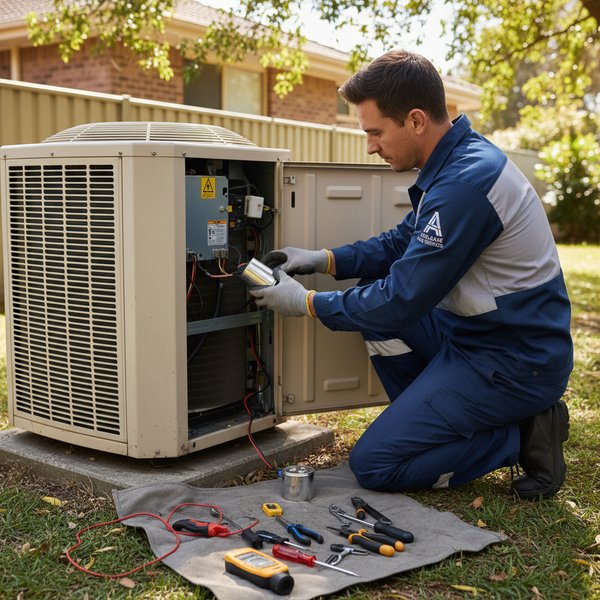
Once the diagnosis is complete, we explain what we found in plain language — what part has failed, what caused it, and what the repair involves. We give you a clear quote before any work begins, and we'll tell you honestly if the repair cost approaches the value of replacing the unit.
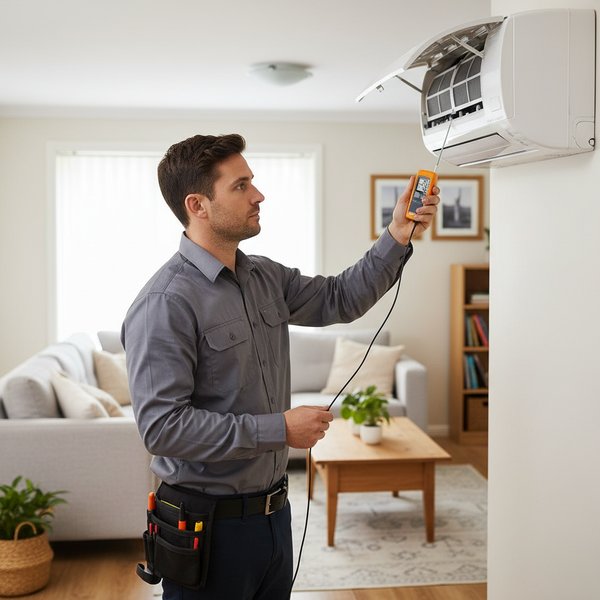
We carry common replacement parts — capacitors, contactors, fan motors, drain pumps, and filters — so most repairs happen on the same visit. If refrigerant has been lost through a leak, we locate and seal the leak first, then recharge the system to the correct pressure and weight specified on the unit's data plate. Skipping the leak repair and just topping up refrigerant is a short-term fix that causes long-term compressor damage.
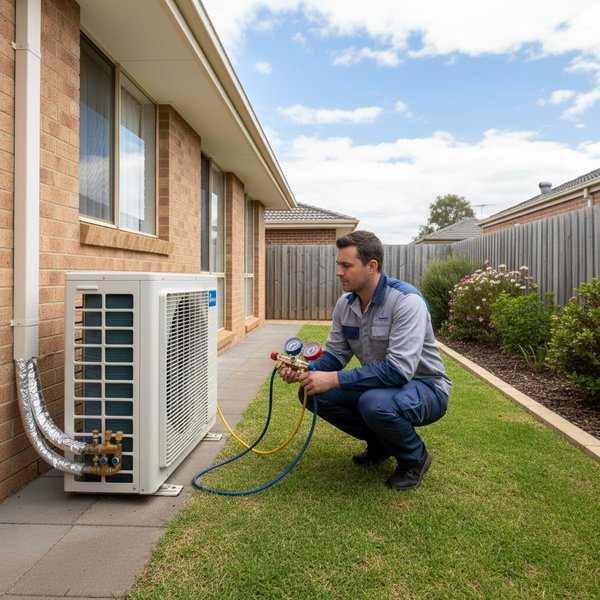
After the repair, we run the system through a full operational cycle and measure the air temperature differential between the return air and the supply air — a correctly functioning system should produce a temperature drop of around 8–12°C across the indoor unit. We also check that all zones, fan speeds, and modes are responding correctly before we pack up.
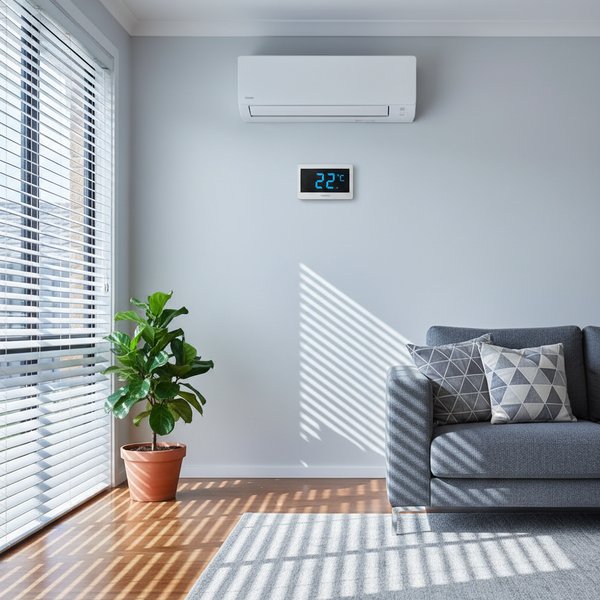
Reliable cooling, lower running costs, and no surprise failures mid-summer
A split system that's 6–8 years old and has a failed capacitor or a refrigerant leak is often worth repairing — the component cost is a fraction of a new installation. Getting the fault properly diagnosed means you're not spending money on a new unit when the existing one has years of reliable service left in it.
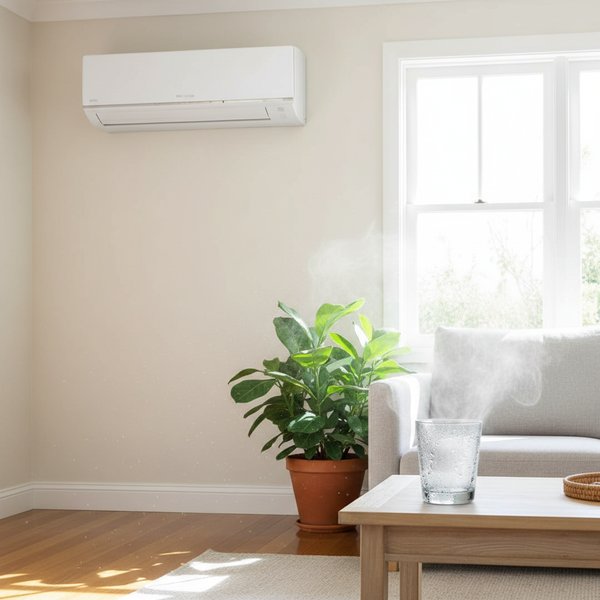
A system running with a low refrigerant charge, a dirty evaporator coil, or a failing capacitor works harder than it should — which shows up directly on your electricity bill. A properly repaired and recharged system returns to its rated efficiency, so you're not paying extra power costs every day on top of the repair you've been putting off.
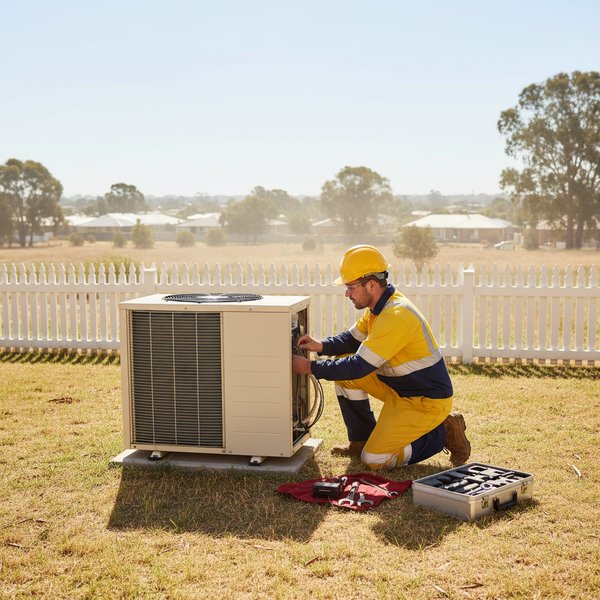
Air conditioners tend to fail at the worst possible time — the first 40°C day of the season, when every technician in the city is booked out. Getting a fault repaired promptly, rather than running the system in a degraded state, means it's reliable when you actually need it. We also flag any secondary issues we spot during the repair so you're not caught out by a second failure mid-summer.

Topping up refrigerant without finding the leak, or replacing a fuse without testing why it blew, just delays the next failure. We use manifold gauges, clamp meters, and thermal imaging to find what actually caused the fault — so the repair holds.
We understand the specific wear patterns that Adelaide's summers create — the compressor stress during prolonged heatwaves, the dust and pollen loads that clog coils in the Hills and northern suburbs, and the corrosion risks in coastal areas near Glenelg and Semaphore. That local knowledge shapes how we service and repair every unit.
We stock common replacement parts — capacitors, contactors, drain pumps, filters, and more — in our service vehicles. That means we're not leaving your home without cooling while we wait on a parts order. If a less common part is needed, we'll give you a clear timeline and keep you updated.
We won't push you into a repair that doesn't make financial sense, and we won't push you into a new unit if your existing system is worth fixing. We explain the trade-offs clearly so you can make an informed decision — and if you do need a new system, we can handle the supply and installation too.
Common questions answered
Repair costs vary depending on what's failed — a capacitor replacement is a straightforward job, while a refrigerant leak repair involving leak detection, sealing, and a full recharge is more involved. We provide a clear quote after the diagnostic inspection so you know the cost before any repair work starts.
The most common causes are a low refrigerant charge (usually from a slow leak), a dirty evaporator coil restricting airflow, or a failing compressor that isn't building pressure. A manifold gauge test will confirm which one it is — all three present differently on the gauges, so it's a quick diagnosis in most cases.
A well-maintained split system typically runs for 10–15 years in Adelaide conditions. The dry summer heat and the long periods of heavy use in January and February accelerate wear on compressors and fan motors, so annual servicing makes a real difference to lifespan. Ducted systems often last longer — 15 years or more — because the compressor load is spread differently.
As a rough guide, if the repair cost is less than 50% of the replacement cost and the unit is under 10 years old, repair usually makes sense. We'll give you an honest assessment — if the compressor has failed on a 12-year-old unit, we'll tell you that replacement is likely the better investment rather than talk you into an expensive repair.
This is common in Adelaide — systems that sit unused over winter can develop refrigerant leaks that only become apparent under the high pressure load of summer cooling. Capacitors and contactors also degrade during storage and may hold up at low demand but fail when the compressor is working hard in 40°C heat. A pre-summer service check catches most of these issues before they become failures.
Real feedback from Adelaide, SA property owners
"They showed up on time, which I appreciated. Fixed the faulty compressor on our old unit and explained exactly what had failed and why — I knew what I was paying for."
"Called them about a split system that kept tripping the circuit breaker. They identified a wiring fault quickly and had it sorted within the hour — good, honest work."
We provide air con repair throughout Adelaide, SA and surrounding suburbs
Don't see your area? Contact us to check if we service your location!
View All AreasExplore our other professional services
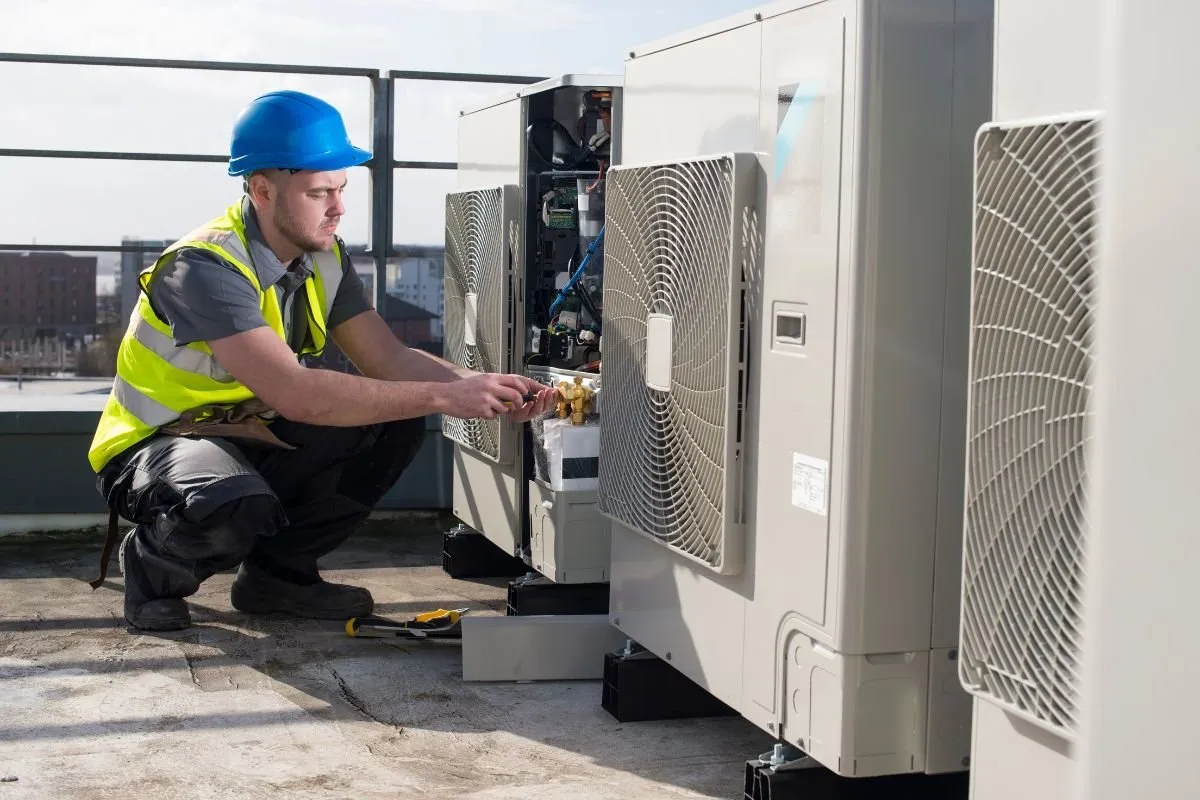
Whether it's a compact workspace or a large premise, Adelaide Air Conditioning Experts can provide and fit commercial air conditioning systems. Get in touch for a FREE quote!
Learn More →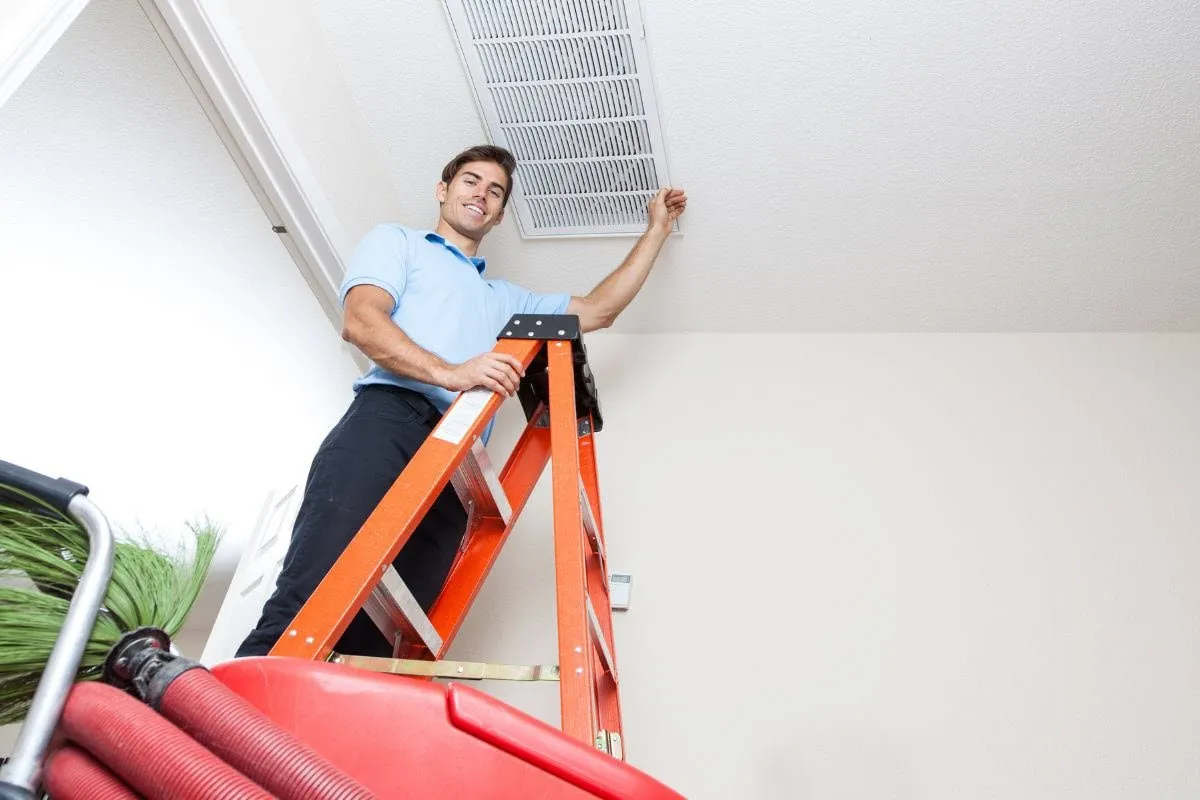
Gift yourself a new ducted air conditioning system and keep cool during our Adelaide summers! Get in touch with us for a FREE quote!
Learn More →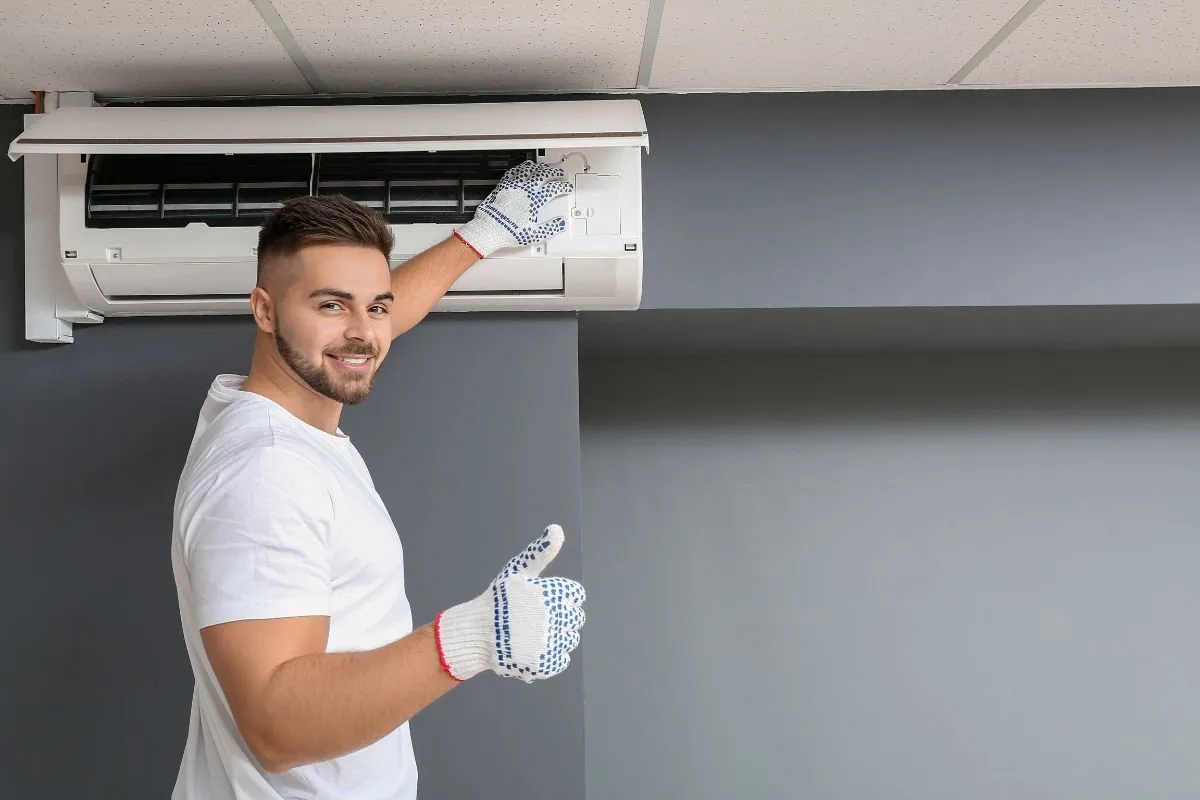
We offer affordable split system air conditioner installation Adelaide-wide! Perfect for small places and/or individual rooms. Get in touch with us for a FREE quote!
Learn More →